Understanding Turnaround Maintenance in Oil Refineries

Definition and Importance of Turnaround Maintenance
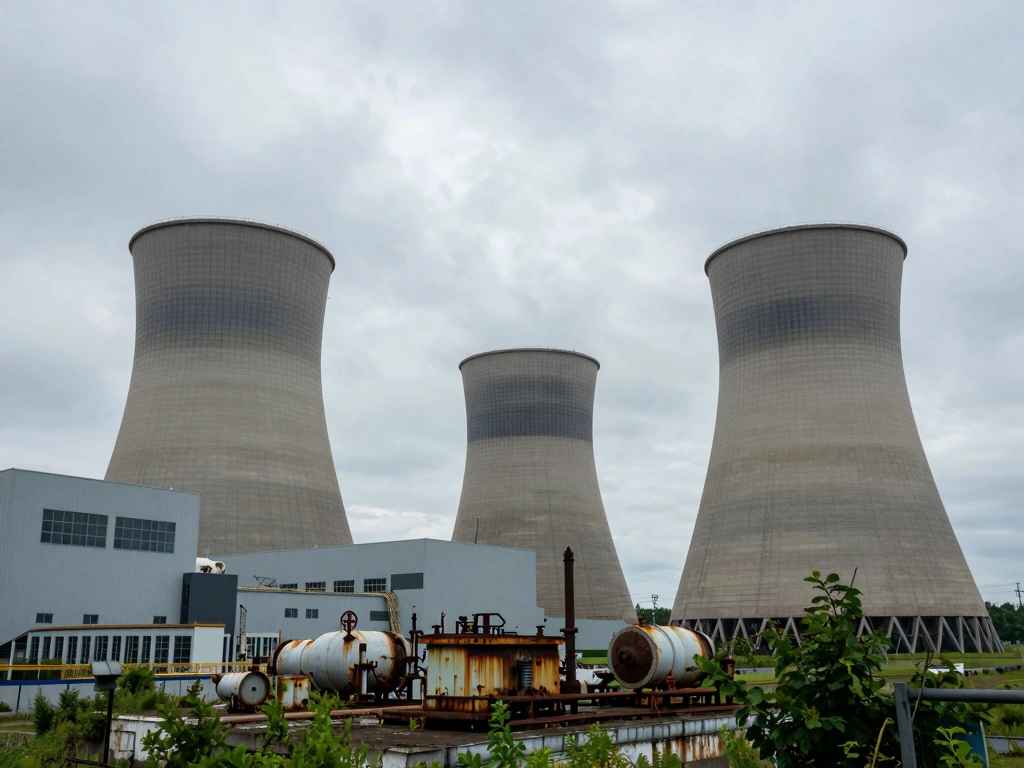
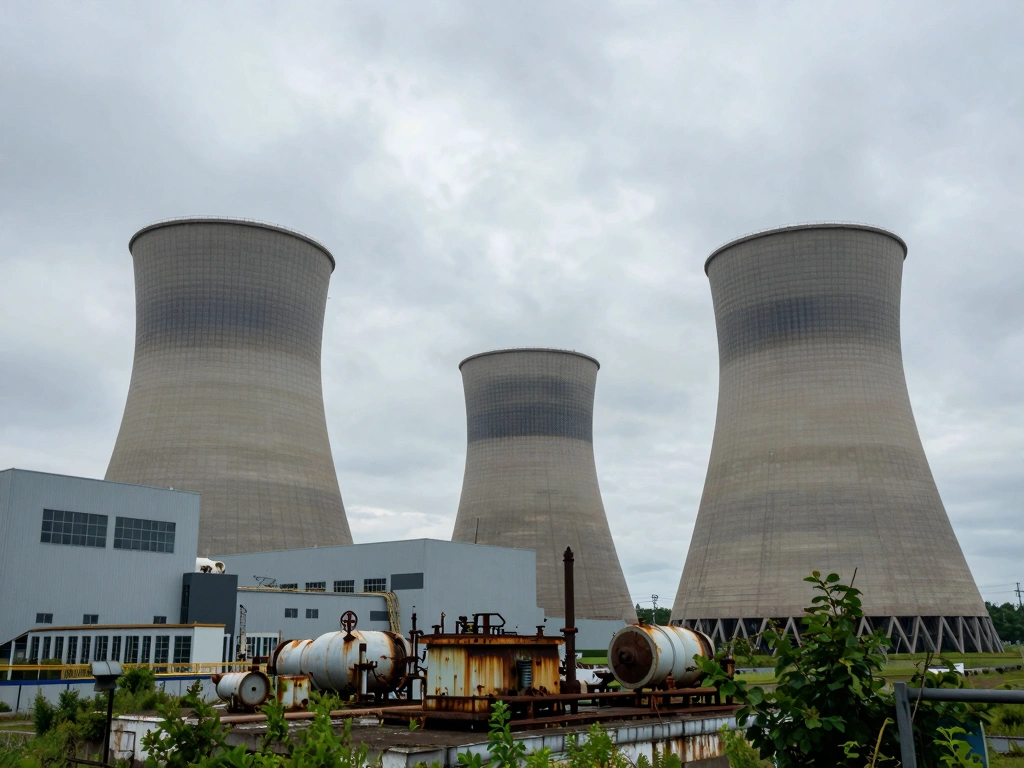
Turnaround maintenance refers to the extensive maintenance activities carried out at oil refineries during scheduled downtimes. These periods are critical for ensuring that the refinery operates efficiently, safely, and without environmental violations. Typically, a turnaround involves a complete overhaul of specific sections of the refinery, including inspection, maintenance, repair, and replacement of equipment. The importance of turnaround maintenance cannot be overstated; it ensures operational reliability, extends the lifespan of equipment, and mitigates the risk of unscheduled downtimes that could lead to financial losses and safety hazards.
Key Components of a Successful Turnaround
A successful turnaround is characterized by several key components:
- Detailed Planning: Comprehensive planning is essential, involving the identification of all maintenance tasks, resource allocation, and scheduling.
- Effective Project Management: A dedicated project management team typically oversees the turnaround, ensuring that all activities adhere to timelines and budgets.
- Safety Protocols: Safety is paramount; proper safety measures must be in place to protect workers and the environment during the maintenance process.
- Resource Allocation: This includes the availability of manpower, tools, and materials required to carry out the maintenance activities efficiently.
Common Challenges Faced During Turnarounds
Despite meticulous planning, oil refineries often encounter several challenges during turnarounds:
- Budget Overruns: Unexpected repairs or delays can lead to increased costs.
- Time Constraints: Turnarounds must be completed within a strict timeline to minimize production losses.
- Resource Availability: Difficulties in sourcing specialized equipment or labor can hinder progress.
- Weather Conditions: Adverse weather can postpone planned activities, affecting the overall schedule.
Developing a Turnaround Maintenance Schedule
Identifying Critical Maintenance Activities
Identifying critical maintenance activities is the first step in developing a turnaround maintenance schedule. Refineries should conduct a thorough inspection of equipment and systems to determine what needs attention. Common activities include:
- Inspecting and cleaning heat exchangers
- Replacing or repairing pumps and compressors
- Upgrading control systems and instrumentation
- Conducting pressure tests on pipelines and vessels
For instance, a refinery might identify that its heat exchangers are fouled and need cleaning as a priority, alongside routine inspections of storage tanks.
Establishing a Timeline and Milestones
Once critical activities are identified, establishing a timeline is crucial. This involves breaking down the entire maintenance process into phases and setting specific milestones. Each phase should have clear deadlines, ensuring that all teams understand their responsibilities. For example:
- Preparation Phase: 4 weeks prior to turnaround – finalize the maintenance plan and resource requirements.
- Execution Phase: 2 weeks during turnaround – carry out maintenance activities.
- Testing Phase: 1 week post-maintenance – conduct testing and inspections of equipment.
Using software such as Primavera P6 can help in visually mapping out these timelines and milestones.
Incorporating Downtime and Production Requirements
Scheduling turnaround maintenance involves balancing operational downtime with production requirements. Refineries often use historical data and predictive analytics to assess the best times for turnarounds. For example, scheduling maintenance during periods of lower demand can minimize the impact on production. Additionally, incorporating flexibility into the schedule allows for adjustments if unexpected issues arise during the maintenance process.
For instance, a refinery may choose to schedule its turnaround during the fall when fuel demand typically decreases, allowing for less disruption to overall operations.
Utilizing Technology for Scheduling Efficiency
Software Tools for Turnaround Planning
Modern refineries increasingly rely on specialized software tools for efficient turnaround planning. Software such as SAP PM, Maximo, and CMMS platforms can streamline planning processes, resource allocation, and scheduling. These tools allow users to:
- Track maintenance tasks and progress in real-time
- Manage documentation and compliance requirements
- Facilitate communication among teams
For instance, a refinery using SAP PM can automate notifications for upcoming maintenance tasks, ensuring that nothing is overlooked.
Data Analytics for Predictive Maintenance Scheduling
Data analytics plays a significant role in optimizing turnaround schedules. By analyzing historical maintenance data and equipment performance, refineries can predict when maintenance will be necessary, allowing for more accurate scheduling. Predictive maintenance can help avoid unexpected failures and reduce costs significantly.
For example, a refinery that analyzes vibration data from pumps can predict a failure before it occurs, thus scheduling maintenance proactively during the next turnaround.
Integrating IoT Solutions for Real-Time Monitoring
Integrating Internet of Things (IoT) solutions enables real-time monitoring of equipment conditions, allowing for immediate adjustments to maintenance schedules. Sensors placed on critical equipment can provide data on temperature, pressure, and operational efficiency. This data can be used to prioritize maintenance tasks during a turnaround, ensuring that the most critical issues are addressed first.
For instance, if IoT sensors indicate abnormal temperature readings in a reactor, maintenance teams can prioritize inspection and repair of that equipment during the scheduled turnaround.
Stakeholder Involvement and Communication
Engaging Cross-Functional Teams in Planning
Effective scheduling of turnaround maintenance requires engaging cross-functional teams, including operations, maintenance, safety, and engineering. Each department brings unique insights and expertise, which can enhance the planning process. Regular meetings and collaborative tools can facilitate sharing of information and alignment of objectives.
For instance, the operations team may provide input on production schedules, while the maintenance team can outline equipment needs, ensuring a holistic approach to turnaround planning.
Establishing Communication Protocols
Clear communication protocols are essential during turnaround maintenance. All stakeholders should be informed of the schedule, responsibilities, and any changes that occur. Utilizing communication tools such as Slack or Microsoft Teams can help maintain transparency and facilitate real-time updates.
For example, daily briefings during the turnaround can help teams stay synchronized, allowing for quick resolution of any issues that arise.
Feedback Mechanisms for Continuous Improvement
Implementing feedback mechanisms post-turnaround is crucial for continuous improvement. Gathering feedback from all stakeholders can highlight areas for enhancement in future turnarounds. This can include surveys, debriefing sessions, and performance reviews.
For instance, if a specific task consistently delays the turnaround, teams can analyze and modify the approach for future maintenance cycles.
Post-Turnaround Review and Analysis
Evaluating Turnaround Performance Metrics
After completing a turnaround, evaluating performance metrics is essential to assess its effectiveness. Key performance indicators (KPIs) to consider include:
- Cost Variance: Comparison of actual costs against the budgeted costs.
- Schedule Adherence: Evaluation of time taken against the planned schedule.
- Safety Incidents: Monitoring any safety-related incidents that occurred during the turnaround.
For example, a refinery may find that it exceeded its budget by 10% due to unplanned repairs, prompting a review of maintenance strategies moving forward.
Documenting Lessons Learned for Future Turnarounds
Documenting lessons learned is critical to improving future turnaround processes. This documentation should encompass what worked well, what didn’t, and recommendations for improvement. Regularly updating this information can create a valuable resource for planning future turnarounds.
For instance, if a specific contractor consistently performs well, they might be prioritized for future projects based on documented performance metrics.
Implementing Changes Based on Review Outcomes
Finally, implementing changes based on the review outcomes is vital for continuous improvement. This may involve revising maintenance procedures, enhancing training for staff, or adopting new technologies that were identified during the review process.
For example, if the review highlights that staff were unprepared for certain tasks, additional training sessions can be organized before the next turnaround.